Prisuttu
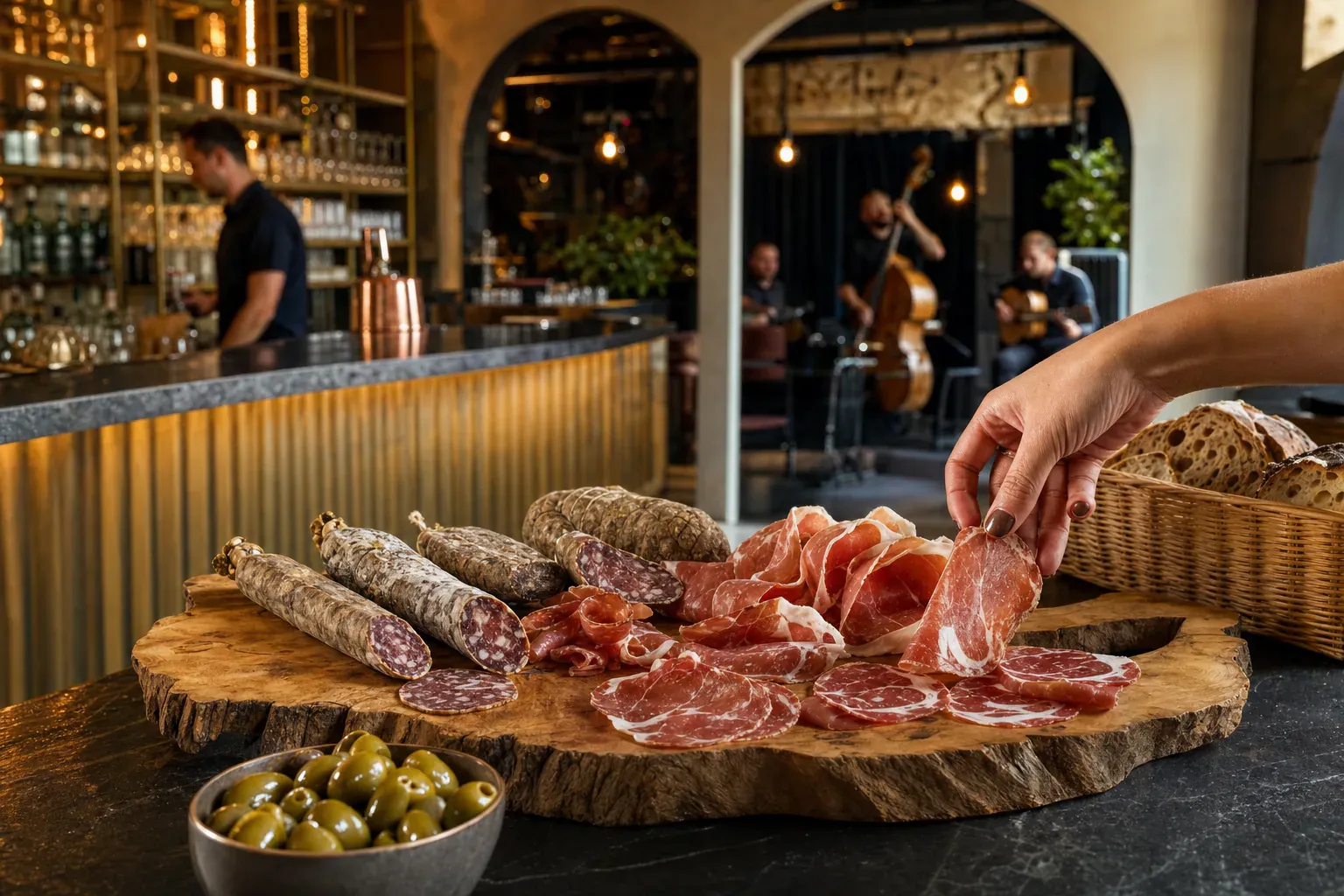
The dry-cured ham from the leg, aged for many months. Fine and melting: the cut of finesse that opens a board.
The Journal · Food guide
Prisuttu, coppa, lonzu, figatellu, panzetta: each cut has its character and its moment. Here is how to spot real Corsican charcuterie, select it, build a balanced board and pair it well.
The essentials in 30 seconds
To choose Corsican charcuterie well, start from the product, not the label: prefer charcuterie from island-raised pork, fed on chestnuts, slowly cured. Learn five key cuts — prisuttu (dry ham) for finesse, coppa for its lean-fat balance, lonzu for delicacy, figatellu for smoky intensity, panzetta for cooking. Check the origin, ask for a thin, fresh cut, and serve at room temperature. On a sharing board, count three or four complementary cuts, a characterful bread and an island wine. In L'Isle-sur-la-Sorgue, Via Notte builds its boards around these products.
The starting point
Corsican pigs raised in the maquis and chestnut groves, fed on chestnuts and acorns, give a dense, deeply flavoured meat — nothing like industrial pork. That raw material is the first thing to look for.
The second key is time: authentic Corsican charcuterie is slowly air-cured, sometimes lightly smoked, over many months. That long curing concentrates the flavour and the melt-in-the-mouth texture.
Beware the split market: real farm charcuterie from island pork (protected by AOP for its best cuts) versus 'Corsican-style' products made elsewhere with imported meat. Learning to tell them apart is what this guide is about.
The vocabulary
Five cuts appear on every good Corsican table, each with its own personality.
The dry-cured ham from the leg, aged for many months. Fine and melting: the cut of finesse that opens a board.
From the chine, rolled and cured, with a perfect lean-fat balance. Round and generous — the most consensual cut.
From the fillet, leaner and more delicate. An elegant taste for those who seek subtlety over power.
The smoked pork-liver sausage, dry for the aperitif or grilled hot on bread. The most identity-defining Corsican taste.
The rolled, peppered belly — Corsica's cured bacon. Eaten thin and raw, or pan-fried in cooking.
More rustic and peppery, it anchors the board and rounds out the finer cuts.
The essential reflex
Read the origin, not just the name: 'Corsican-style' isn't 'Corsican pork'. The AOP is the best guarantee, setting breed, feed, terroir and curing time.
Trust your senses: a cream-to-ivory fat, a tight-grained flesh deepening to the edge, a nutty, woodland aroma without chemical smoke. It should melt and open gradually on the palate.
And ask: a producer or chef who works with real products can tell you where their coppa comes from and how long it cured. That told traceability is often the best label.
Cut by cut
Look for a long cure — a real Corsican dry ham matures well over a year, visible in the deep colour and firm flesh. The fat should be present but clean; it carries the aroma and the melting feel.
The slice matters: prisuttu is cut almost translucent, at the moment of serving. A thick or day-old slice loses everything. Let it come to room temperature before eating.
A drizzle of Corsican olive oil, some grilled bread, nothing more: prisuttu stands on its own and dislikes heavy accompaniments.
The consensual duo
Coppa is the cut of immediate pleasure: its success lies in the alternating veins of nacreous fat in dark red flesh. Rolled tight, supple, gently seasoned — choose it thinly sliced.
Lonzu plays a finer tune: leaner, from the fillet, aimed at delicacy. A good lonzu stays melting despite its leanness; if dry and hard, it lacked fat or time. Together with prisuttu and coppa, the three complement one another.
Intensity
Figatellu is chosen by use: dry for slicing at the aperitif, fresh for grilling hot on bread. Check for a smoking that is present but elegant, never acrid.
Panzetta is the quiet essential: eaten thin and raw on a board, but at its best pan-fried — in an omelette with brocciu, a soup, pasta. Choose it well-peppered, generously fatted, cut to purpose.
The art of the board
A good board is composed like a chord, with contrast and rhythm. Three profiles to start from:
Three or four complementary cuts — prisuttu, coppa, lonzu and some dry figatellu — from finest to most intense.
Add saucisson and panzetta, double up, and complete with maquis cheese and fig jam. Count 80–100 g per person as a main.
For enthusiasts: focus on the intense cuts and pair a structured Corsican red. Less variety, more depth.
The companions
Prefer a characterful, dense-crumbed bread — country, cereal or chestnut — lightly grilled. Corsican olive oil, a few cornichons or fig jam are enough.
On a mixed board, the fat of the charcuterie answers the gentle acidity of brebis tommes; brocciu adds contrast. Two well-chosen cheeses beat an overloaded plate.
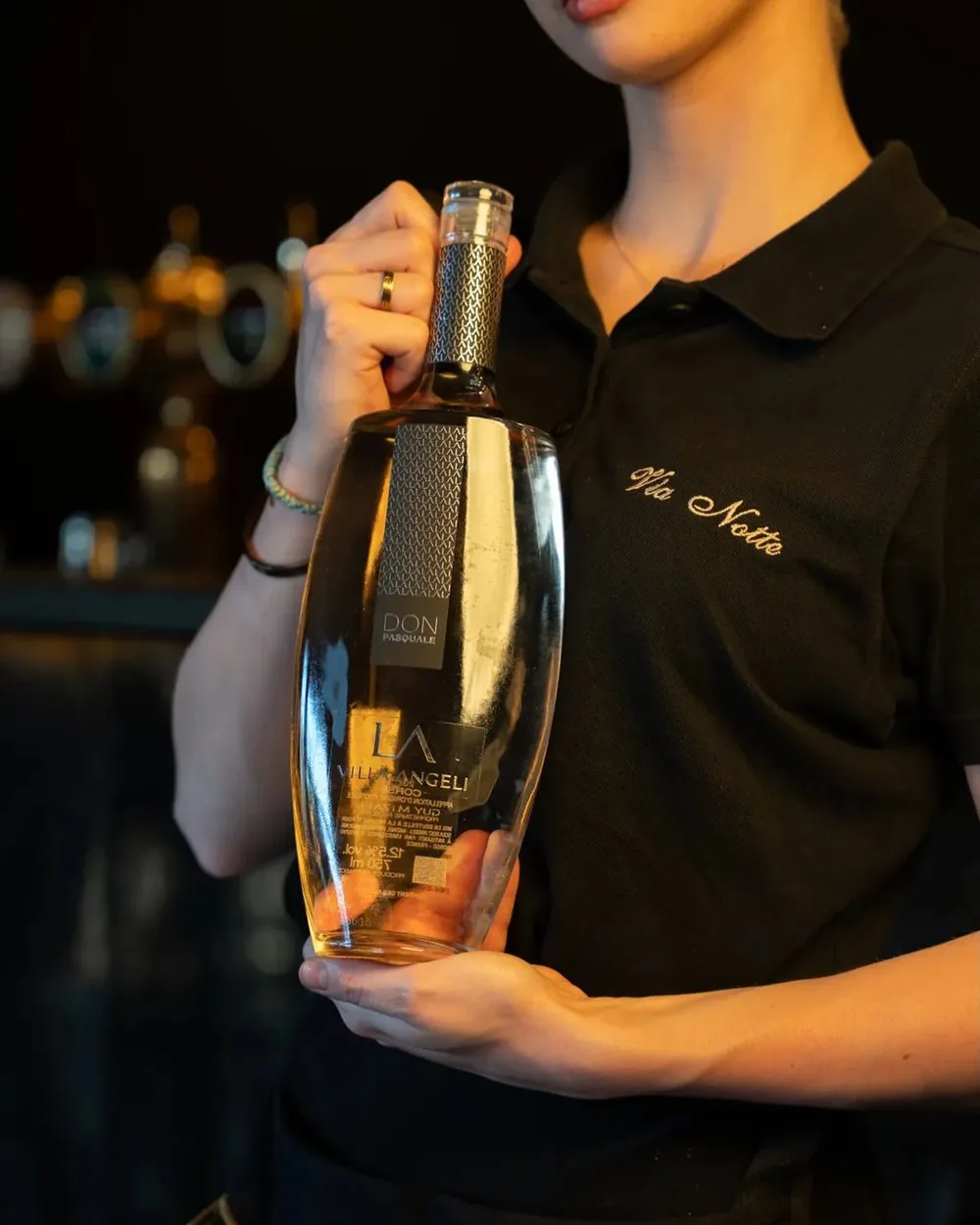
For wine, a crisp island rosé suits the finer cuts, a structured red (niellucciu, sciaccarellu) stands up to coppa and figatellu. Ask for advice — and enjoy in moderation.
After buying
Keep a whole cured piece cool, dry and aired — never in airtight plastic. Once started, protect the cut face and eat it within a reasonable time.
Slice prisuttu, coppa and lonzu thin, at the last moment, with a sharp blade; figatellu a little thicker. Always take charcuterie out of the fridge twenty minutes before serving so the aromas open.
To avoid
A few traps recur when choosing Corsican charcuterie. Knowing them is half the battle.
The address
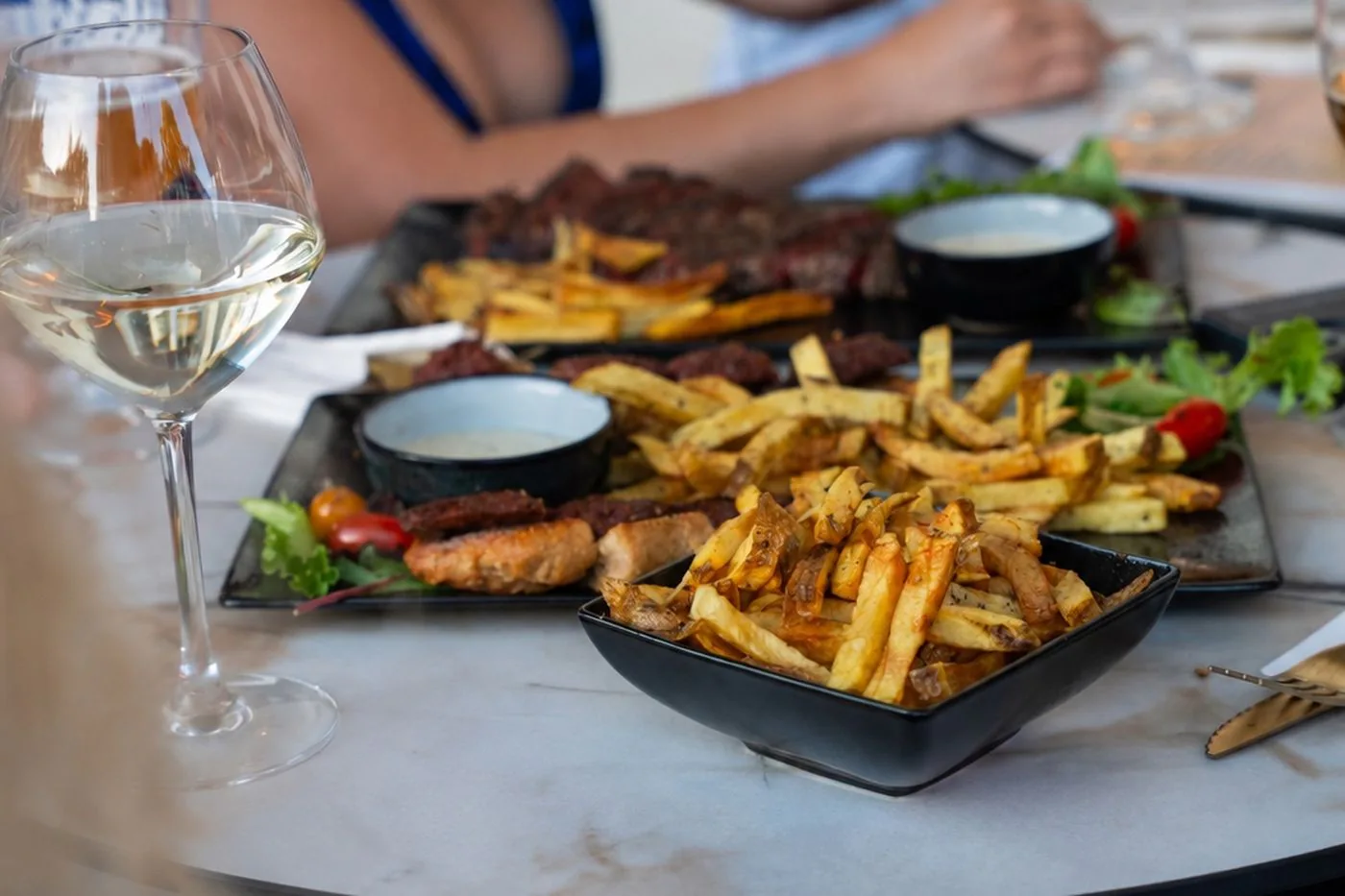
No need to cross the sea. In L'Isle-sur-la-Sorgue, on esplanade Robert Vasse, Via Notte makes sharing boards a signature: country charcuterie and maquis cheeses, in a music-bar atmosphere. Most of the menu rests on Corsican products.
It's the ideal place to apply this guide without the shopping — tasting the cuts side by side and pairing an island wine. Not to be confused with the Porto-Vecchio club of the same name: this is the local Corsican table.
Good to know
Start with coppa for its accessible lean-fat balance, add prisuttu for finesse and a little dry figatellu for intensity. This trio covers the essentials.
Trust the origin, not the name; the AOP is the best guarantee. Look for cream-coloured fat, tight-grained flesh and a nutty aroma, and ask the seller where the pork comes from.
Prisuttu is the dry ham from the leg; coppa comes from the chine with a lean-fat balance; lonzu is from the fillet, leaner and more delicate. Three complementary cuts.
A Corsican smoked pork-liver sausage. Dry for slicing, fresh for grilling. Choose by use, and check for smoking that is present but elegant, never acrid.
About 80–100 g as a main, 40–50 g as an aperitif or starter. On a board, three or four well-chosen cuts beat a profusion.
Keep the whole piece cool, dry and aired, not in airtight plastic. Slice thin at the last moment, and take it out of the fridge twenty minutes before serving.
Explore
Going further
Want to carry the evening on after the board? Find all our idées de sorties nocturnes dans le Vaucluse.
Tonight?
Country charcuterie and cheeses, sharing boards and Corsican wines, on the esplanade of L'Isle-sur-la-Sorgue. Book online or give us a call.
L'abus d'alcool est dangereux pour la santé. À consommer avec modération.