
Full exclusivity
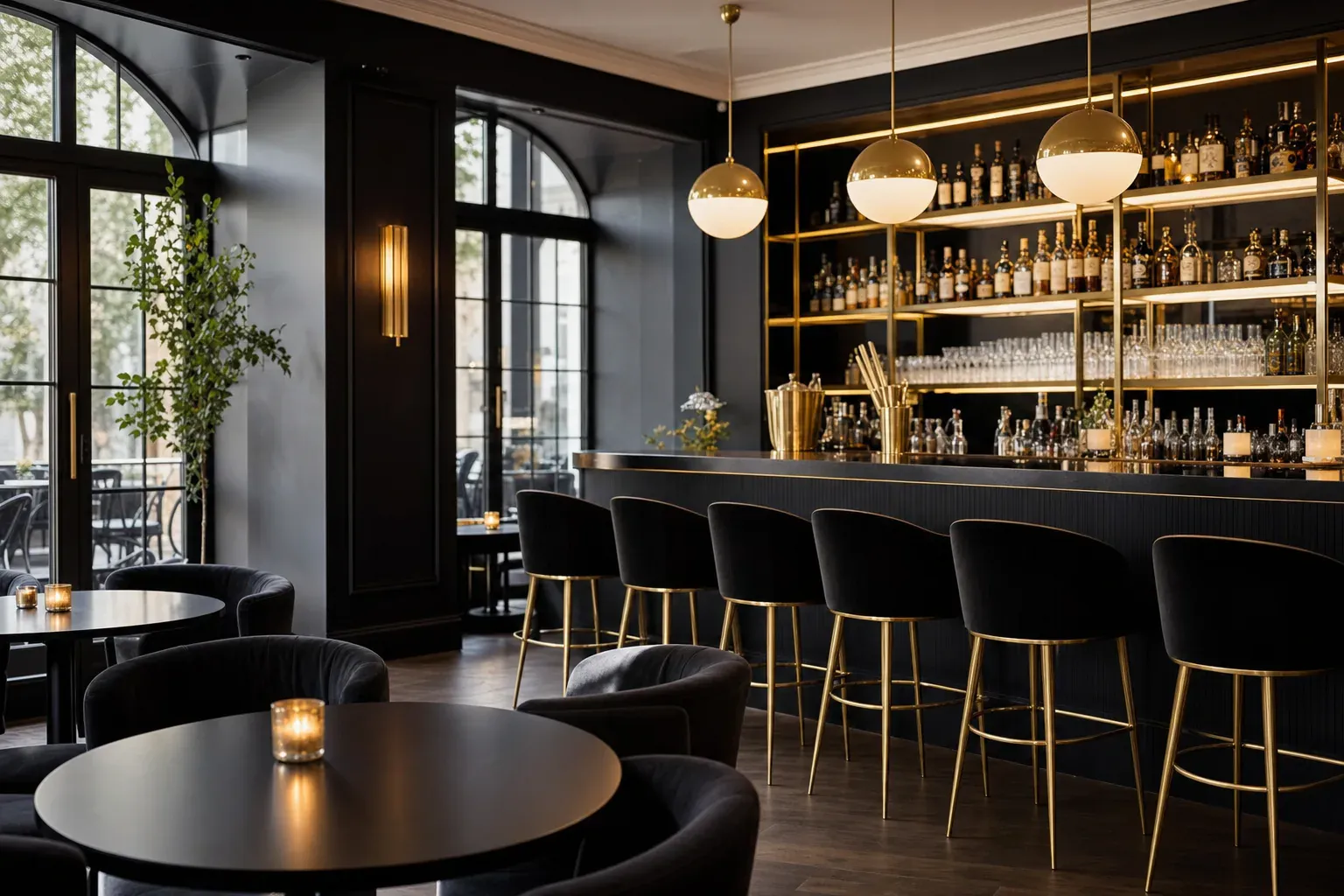
The bar closes to the public and the team serves only your group. The most expensive option, and the only one that guarantees control over the room and the music.
Guide · Private nights
The essentials
Booking out a bar is rarely billed as a room rental: most venues set a minimum spend on drinks and food rather than a flat fee. That figure moves with the day of the week, the season, the length of the slot, the number of guests, the food format and any extras such as live music or a DJ. The costs that blow budgets are usually overtime, extra staff and last-minute technical requests — not the drinks. Settle the format and the time slot first, then ask for a written quote that spells out what is included and what triggers a supplement.
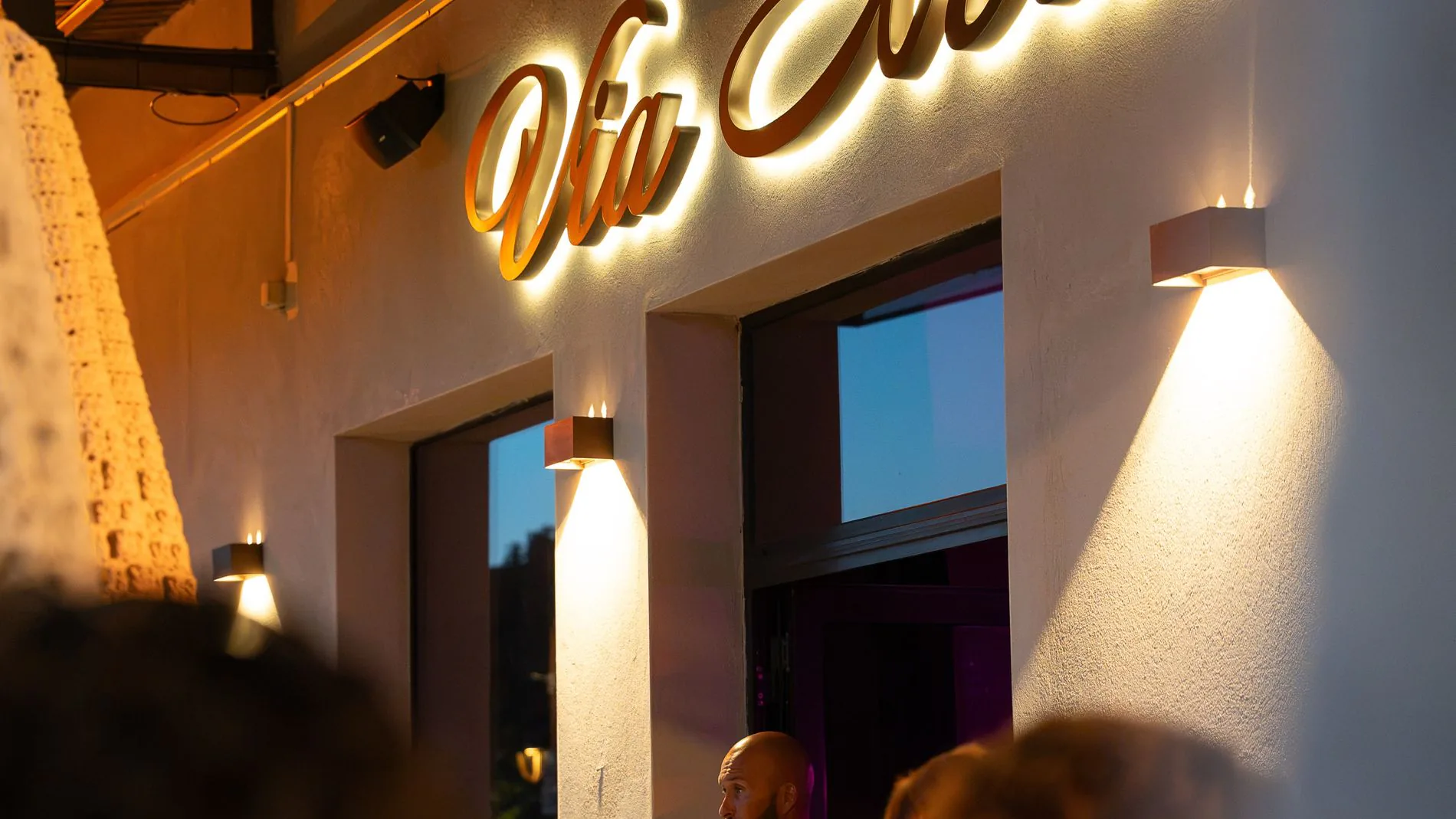
For a host, booking out means being among friends. For an operator, it means closing the doors to the public and giving up a normal trading night. That gap explains most misunderstandings about the cost.
A venue granting you full exclusivity on a Friday is not renting you walls — it is selling you a night it would have filled anyway, plus the staff, the stock and the extra preparation.
Reserving part of the room on a quieter evening costs far less, because the bar keeps trading around you. That single choice moves the budget more than anything else.
Three ways in
Almost every request falls into one of these three families. Knowing yours before you call will save a round trip — and often a great deal on the final quote.
The bar closes to the public and the team serves only your group. The most expensive option, and the only one that guarantees control over the room and the music.
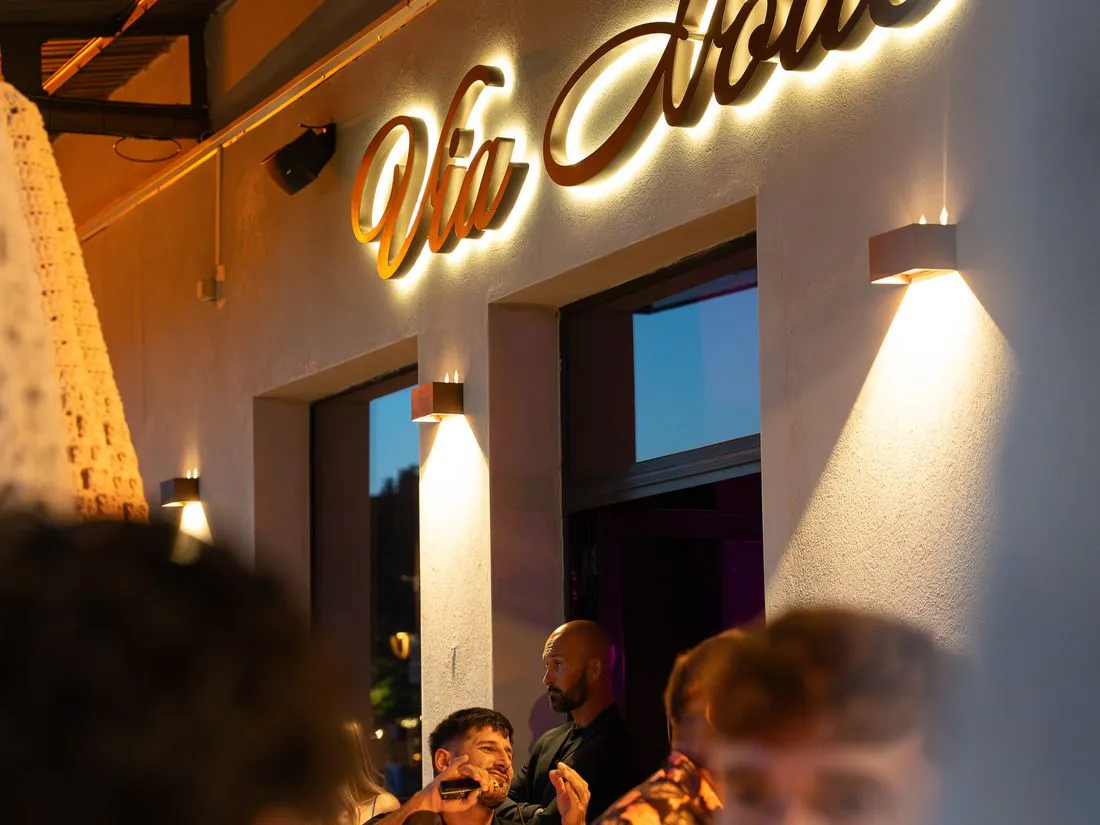
A lounge, a mezzanine or a stretch of terrace is yours while the rest of the venue trades normally. The budget drops sharply and the atmosphere of the bar remains.
You have the whole place, but only for a window — an after-work that ends before evening service. The venue loses almost nothing, so you mostly pay for what you consume.
The basic mechanism
Instead of charging rent, most venues set a total amount to be reached on drinks and food during the private event. Everything you order counts towards it.
If the group drinks and eats normally, the minimum is met effortlessly. If the night stays quiet, you still settle the difference: a minimum spend is a floor, never a ceiling.
Ask two things in writing: whether service and VAT are included, and what happens if fewer guests turn up than announced.
Remember: a quote that gives a figure without saying whether it is a rental or a minimum spend is incomplete. Clear that up before anything else.
What moves the needle
For the same venue, two quotes can differ threefold. Here is what explains the gap, in order of impact.
By far the biggest lever. A Saturday is priced on what it normally earns; a Tuesday leaves real room to negotiate.
December, summer weekends and festival dates stretch every diary. The same night costs noticeably less in November.
Three early-evening hours do not mobilise the same team as a night that runs to closing time.
They drive the space and the staffing, but they also help reach the minimum spend — often cheaper per head.
Sharing boards, standing grazing or a seated plated dinner: three kitchens, three budgets.
DJ, live band, decoration, cloakroom, dedicated staff — the most elastic line of all, and the most often forgotten.
The decisive lever
A music bar lives on a weekly rhythm: busy nights fund quiet ones. Asking for exclusivity on a Saturday means asking the operator to give up the best night of the week.
Move the same evening to a Tuesday or Wednesday and everything changes — same group, same format, incomparable conditions.
That is especially true of corporate evenings and after-works, which have no reason to fall on a Saturday. For birthdays and hen parties, season and early booking become your levers instead.
At the table
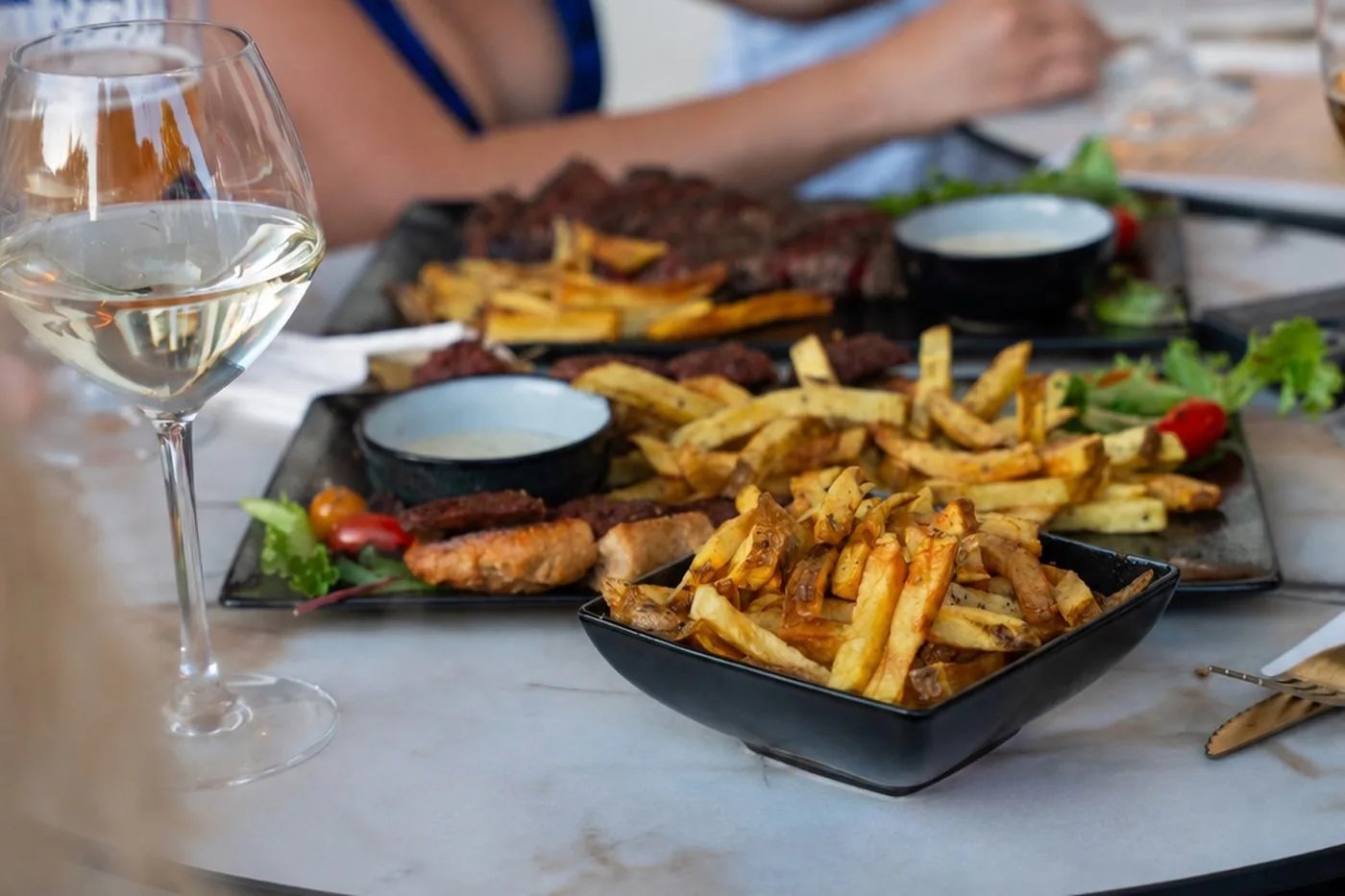
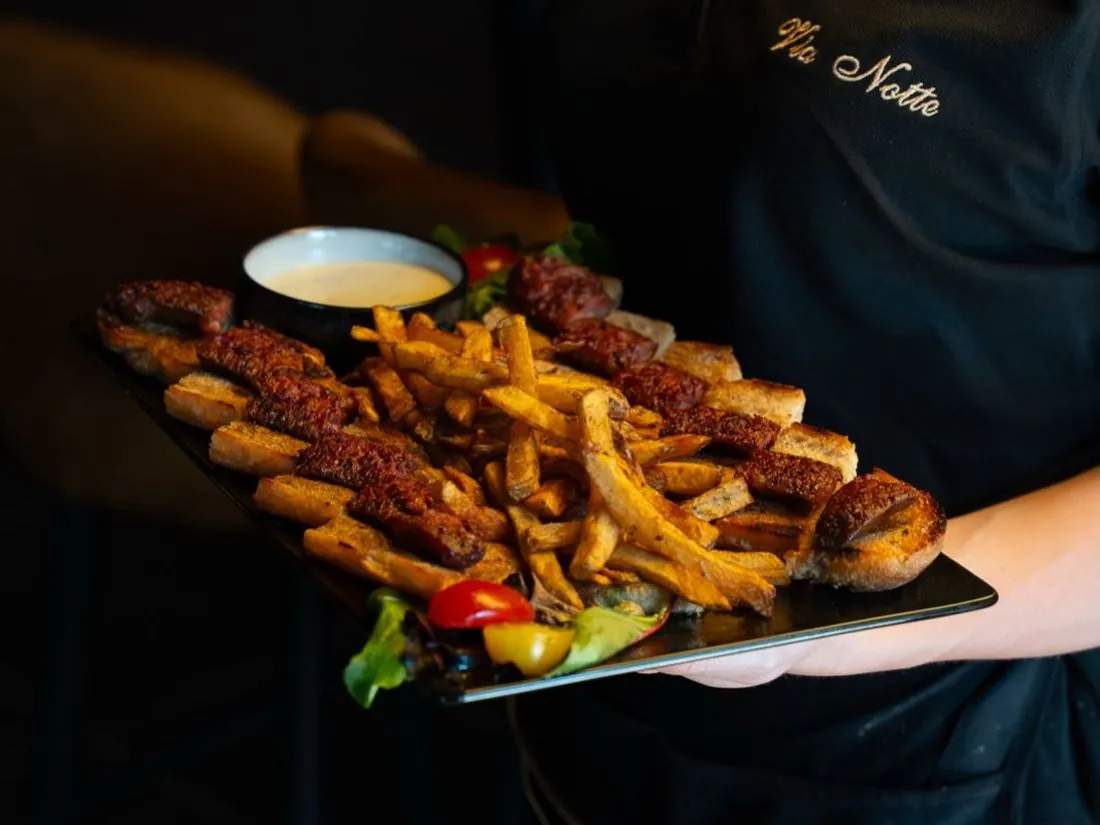
Sharing boards — charcuterie, cheeses, crisp vegetables and homemade dips — are the most economical format: prepared ahead, easy to scale to the exact headcount.
Standing grazing with circulating tapas costs a little more, as it keeps staff and kitchen busy all evening, but it keeps the group moving and talking.
A seated plated dinner is the most demanding format of all: more service, more timing constraints, a room held longer. Worth it for a landmark birthday, less so for a night that will end standing up.
At the bar
How drinks are billed matters at least as much as what they cost. Three systems coexist.
Pay as you go: everything lands on the group tab. The fairest system, and the natural companion of a minimum spend.
A set package: a defined selection served over a fixed window. Easy to budget, but read what is excluded.
A closed tab: the group sets a ceiling, the bar flags when it is reached, then guests pay individually.
Whatever the system, clarify how soft drinks are treated and whether a reduced list applies during the private event — better known beforehand than on the night.

The forgotten line
A private night without music is just a dinner. A music bar that already programmes bands and DJs has the sound system, the licences and the habit — leaning on its existing line-up usually costs nothing extra. Booking an artist specially adds a fee and sometimes technical staff. Bringing your own DJ or equipment needs the venue's agreement, and a check on sound limits and closing times.
The small print
Drinks rarely blow a private-hire budget. These six lines almost always do, and they are billed separately.
The most common and most expensive extra. Beyond the contracted slot, every hour started is charged, often at a higher rate.
Above a certain headcount the venue reinforces its team, and those hours appear on the quote.
Either you bring and install it within an agreed window, or the venue handles it and bills it. Ask about access time too.
Rare but real after a busy night or heavy decoration; some venues charge a flat fee, others hold it against the deposit.
Above a guest threshold, or for certain events, a door supervisor may be required. That is an obligation, not an upgrade.
Bringing your own cake is sometimes allowed with a service charge; outside bottles are almost always refused.
Before you sign
A serious booking is confirmed in writing and comes with a deposit. The venue blocks a date, turns down other requests and buys stock for you.
Read three clauses closely: cancellation terms, how far guest numbers can move before the quote is revised, and what happens to the minimum spend if the night ends early.
A good quote fits on one page and answers those questions on its own — what is included, what is extra, exact times, headcount, food format and payment terms.
Good practice
Cutting a private-hire budget rarely means cutting quality. Five decisions usually suffice.
Move the day. Going from Saturday to a midweek night is by far the most profitable saving.
Book early. A date requested months ahead negotiates better than one grabbed a fortnight before.
Choose a reserved area over full exclusivity if your group will not fill the room.
Prefer sharing boards to a plated service: friendlier, more flexible and far cheaper.
Build your night around the venue's existing line-up — a band already booked is a private gig at no extra fee.
With us
In L'Isle-sur-la-Sorgue we do not publish a ready-made grid, because it would be wrong half the time: a hen party, a long-table birthday and a Tuesday corporate after-work simply do not price the same way.
You tell us the date, the number of guests and the occasion. We propose the format that fits — standing grazing, seated long table, terrace or the whole room — then handle the boards, the cocktails and the music, with a live band or a DJ if you want one.
Two markers to plan around: the terrace closes at 11 pm and the room takes over until 12.30 am from Tuesday to Saturday. Quieter Tuesday evenings suit teams who want an early finish.
Good to know
In most bars, no: a minimum spend replaces the rental. Some venues do charge a hire fee, especially for daytime slots. Have it clarified on the quote.
There is no universal threshold — it depends on the size of the room and the day. A small group will more easily get a reserved area than full exclusivity.
Allow two to three months for a weekend date, more in December and summer. A midweek night out of season usually needs only a few weeks.
Birthday cakes are often accepted, sometimes with a service charge. Outside bottles are nearly always refused for licensing reasons. Ask beforehand.
This is the key clause. Some venues revise the quote up to a cut-off date, others hold the minimum spend regardless. Get the rule and the deadline in writing.
Not necessarily. If a band or DJ is already programmed that night, using it costs nothing extra. Booking an artist specially adds a fee.
Further reading
Want more? Find all our idées de sorties nocturnes dans le Vaucluse in the Via Notte Journal.
Your night
Tell us the date, the number of guests and the occasion: we come back with a clear format and quote.
Alcohol abuse is dangerous for your health. Please drink responsibly.